FISH AND CORAL IDENTIFICATION
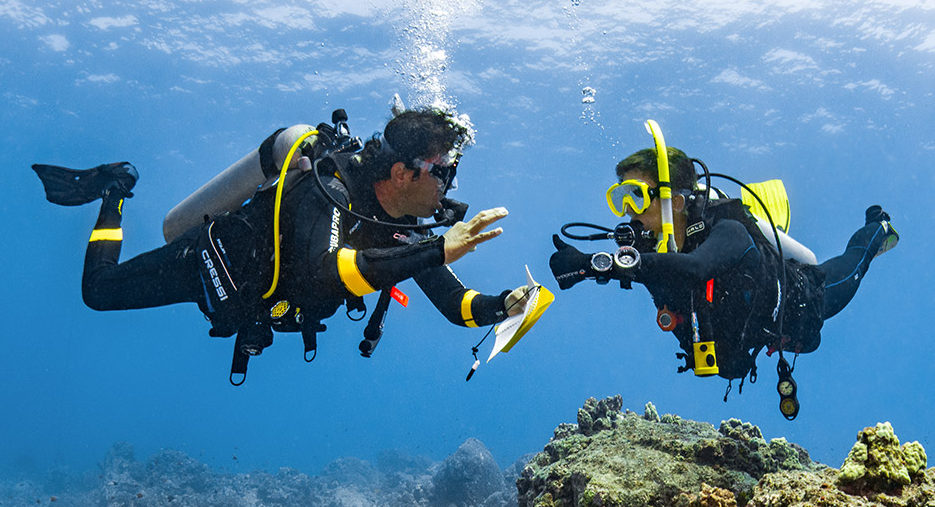
Learn how to identify fish and coral species that are important to our marine conservation program. This training includes a powerpoint identification exercise and an in-water identification exercise.
BEACH PLASTIC POLLUTION
Learn how to categorise waste collected during beach cleans and input plastic pollution data for analysis.
CORAL WATCH MONITORING
Learn to use a method of identifying coral health developed by the University of Brisbane. The method is used by citizen scientists and professional researchers to monitor coral all around the world.
INCIDENTAL SIGHTINGS
Participants learn to identify megafauna common in the region such as stingrays, manta rays, moray eels, sharks, sea turtles, and large pelagic fish such as barracudas.
THREATS TO CORAL REEFS
Gain insight into the threats faced by reefs globally, such as climate change and the resulting coral bleaching, plastic pollution, and unsustainable fishing methods, as well as how these manifest in local areas.
INTRODUCTION TO CORAL REEFS
Learn about the basic biology of corals and the underlying biology of the reef system.
HAZARDS OF THE REEF
This includes a discussion of the marine organisms found in the surrounding waters like stingrays, fire coral, sea urchins, lionfish and scorpionfish, that might cause harm to swimmers and divers. Participants learn how these can be avoided and how to treat injuries if they occur.
CORAL CONSERVATION
The Coral Reef Conservation course teaches participants about the importance of coral reef systems and how to conserve them. You will learn how you can help conserve coral reef systems. Through classroom discussions, you’ll learn how coral reefs function and the complex nature of life on a reef, why coral reefs are so important, why many coral reefs are in serious trouble, and what you can do to prevent further decline.
PADI Dive Against Debris Specialty
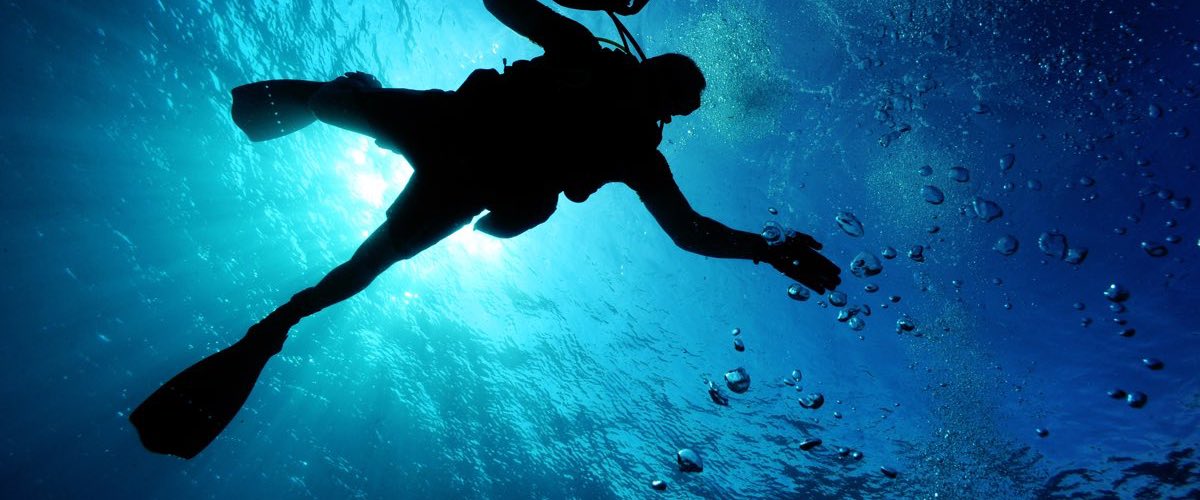
The Dive Against Debris specialty is included in every marine conservation program. We teach you how to evaluate trash underwater, what criteria must be considered before removal, and safe ways to remove debris from the ocean. You will then record the trash that you have removed and upload the data for use by Project Aware.
DIVING SKILLS DEVELOPMENT
You will learn extra diving skills to enable you to actively assist in Coral Monitoring
OPTIONAL EXTRA TRAINING AVAILABLE
PADI RESCUE DIVER
If you haven’t completed your PADI Rescue Diver Course (or equivalent with another agency) we can complete the course when you get here. Make sure to arrive a few days early so that we can get this done.
PADI SPECIALTY COURSES
You can expand on the training that you do in the PADI Advanced Open Water Course, with some extra dives, to complete PADI specialty courses. Courses that are offered are:
- Peak Performance Buoyancy
- Search and Recovery
- Deep Diver (40 m)
- Enriched Air Nitrox
- Underwater Naturalist
- Emergency Oxygen Provider
- Wreck Diver
- Night Diver
PADI MASTER SCUBA DIVER
Once you complete 5 x PADI Specialty Courses, the PADI Rescue Diver Course and have a total of 50 dives, you can be certified as a PADI Master Scuba Diver – PADI’s highest recreational rating!